Source Organic Osmanthus Oolong Tea for Cafes, Retail Brands, and Gift Sets
Browse 30 organic osmanthus oolong tea listings from suppliers offering tea bags, loose leaf, and bulk formats. Compare packaging, certifications, MOQ levels, price ranges, and origin regions to find the right match for your product line or wholesale program.
Key considerations
Products List







Comprehensive Sourcing Guide
Organic Osmanthus Oolong Tea Sourcing Guide
Sourcing organic osmanthus oolong tea requires a nuanced understanding of both the botanical composition and the rigorous certification standards that define the "organic" label in international trade. While the supplied product data highlights various oolong tea variants, including specific blends with osmanthus, buyers must distinguish between general oolong offerings and those explicitly certified as organic. The core keyword implies a product that combines the semi-oxidized characteristics of oolong tea with the aromatic floral notes of osmanthus flowers, often marketed under names such as "Gui Hua Wu Long Cha." Procurement teams must verify that the "organic" claim is backed by recognized certifications, as the provided facts list various standards like ISO, GMP, BSCI, HACCP, and NOP, but do not uniformly apply to every listed SKU. This distinction is critical for buyers targeting health-conscious markets or premium retail segments where regulatory compliance is non-negotiable.
The procurement landscape for this category is diverse, ranging from loose leaf teas to pre-packaged tea bags, with origins primarily located in China, including specific provinces like Anhui, Hunan, and Fujian. Buyers should note that while some listings specify "Organic Tea" as a specialty, others may only list general certifications or focus on other attributes like "Slimming Tea" or "Health Tea." This variability means that a single supplier may offer a broad portfolio, but the organic osmanthus oolong variant will have distinct documentation and quality parameters. Understanding these nuances allows buyers to filter suppliers effectively, ensuring that the products they evaluate actually meet the specific organic and aromatic requirements of their target market, rather than assuming all oolong teas in a catalog are equivalent.
Product Scope and Observed Listing Signals
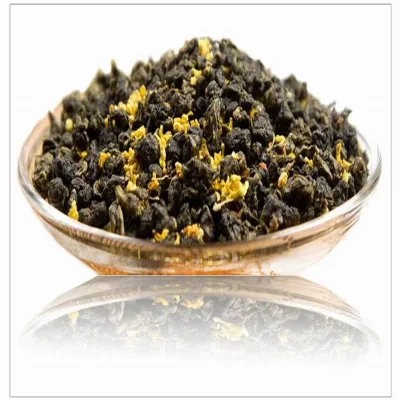
The product scope for organic osmanthus oolong tea encompasses a variety of formats, including loose leaf, tea bags, and bulk packaging, as indicated by the observed attributes such as "Loose Tea," "Tea Bag," and "Carton" or "Box" packaging. The material composition is explicitly defined as a blend of Oolong Tea and Osmanthus, which contributes to the product's distinctive flavor profile and aromatic qualities. Buyers should observe that the color of the product is described as "Mixed Color" or "Natural," reflecting the inherent characteristics of the dried leaves and flowers. Additionally, the storage requirements are consistently noted as a "Dry Cool Place" or "Keep in a Dry and Cool Place," which is a critical operational detail for maintaining the integrity of the osmanthus aroma and preventing moisture-induced degradation during transit and storage.
Listing signals reveal a wide range of customization options and packaging standards, with some products offering "Customization: Available" and specific standards like "12teabags/box" or "1kg" bulk units. The observed price range of 1-150.34 USD and MOQ range of 1-100 suggest a flexible market that caters to both small-scale boutique buyers and larger commercial purchasers. However, buyers must be cautious not to conflate all listed items as organic osmanthus oolong; some entries may represent different tea types, such as green or black tea, or different models like "T03" or "OTSW002." The presence of specific Chinese names like "Gui Hua Wu Long Cha" and English names like "Osmanthus Oolong Tea" helps in identifying the correct product, but verification of the organic status and specific blend ratio is necessary to ensure alignment with procurement specifications.
Technical Specifications to Verify
Technical verification begins with confirming the tea grade and processing technology, as the supplied facts mention "Top Grade" and "Fermentation" processes. While oolong tea is semi-oxidized, the term "fermentation" in tea processing often refers to oxidation, and buyers should clarify the exact oxidation level to ensure it matches the desired flavor profile. The age of the product is noted as "1-2years" in some listings, which may refer to the aging of the tea leaves or the shelf life, a factor that significantly impacts taste and quality. Buyers must verify whether the osmanthus flowers are added during processing or blended post-production, as this affects the intensity and longevity of the floral aroma. Additionally, the model numbers such as "Osmanthus Oolong Tea" or "White Peach Oolong Tea" should be cross-referenced with the actual product samples to avoid receiving incorrect variants.
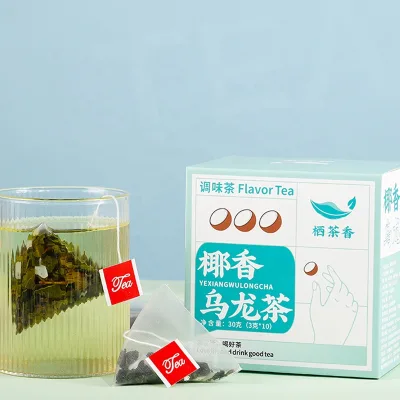
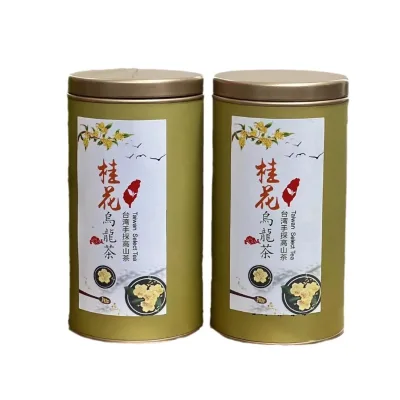
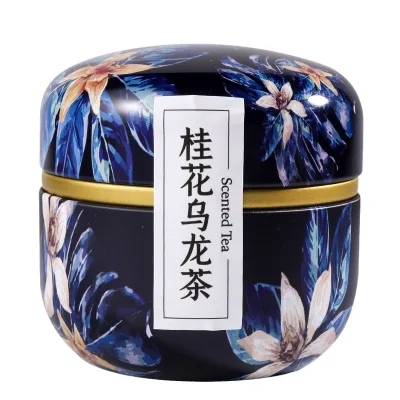
Packaging specifications are another critical technical aspect, with observed formats including "Inside Plastic Bag, Outside Carton Box," "Bag, Box, Bullk, Can," and "Bags or Gift Box." The standard of "1kg" or "3.5g*50" indicates common unit sizes, but buyers should confirm the inner lining material to ensure it is food-grade and provides adequate barrier protection against moisture and light. The origin locations, such as Anhui, Hunan, and Fujian, are significant because these regions are known for specific tea cultivation practices, which can influence the quality and authenticity of the oolong tea. Buyers should request detailed technical data sheets that specify the exact packaging materials, seal integrity standards, and any protective measures taken to preserve the osmanthus fragrance during shipping and storage.
Compliance and Safety Documentation
Compliance documentation is paramount when sourcing organic products, as the term "organic" is heavily regulated in many markets. The supplied facts list several certifications, including ISO, GMP, BSCI, HACCP, and NOP, but buyers must verify which of these apply specifically to the organic osmanthus oolong tea SKU. NOP (National Organic Program) certification is particularly relevant for buyers targeting the United States market, while other certifications may be more applicable to European or Asian markets. It is essential to obtain valid, up-to-date organic certificates for the specific product batch, as general supplier certifications do not automatically cover all product lines. Buyers should also check for additional safety certifications like QS or Sc, which may indicate compliance with local Chinese food safety standards, but these should not be confused with international organic standards.
Beyond organic certification, buyers should ensure that the supplier provides comprehensive safety documentation, including certificates of analysis (COA) that test for pesticides, heavy metals, and microbial contamination. The usage instructions, such as "Put Proper Amount of Product Into Hot Water," are standard, but buyers should verify that the product meets the residue limits required by their target market. The "Health Tea" and "Slimming Tea" specialties mentioned in some listings may imply functional benefits, but buyers must be cautious not to make unsubstantiated health claims in their marketing. Instead, they should rely on the verified organic and safety certifications to build consumer trust. Ensuring that all documentation is in English and legally valid in the destination country is a critical step in the procurement process to avoid customs delays or regulatory penalties.
Cost Drivers and Commercial Terms
Cost drivers for organic osmanthus oolong tea include the quality of the raw materials, the complexity of the blending process, and the level of certification required. The "Top Grade" designation suggests a higher price point due to the superior quality of the oolong leaves and the careful selection of osmanthus flowers. Packaging costs also vary significantly, with gift box options likely commanding a premium over bulk or simple bag packaging. The observed MOQ range of 1-100 indicates that smaller orders may have a higher per-unit cost, while larger volumes could offer economies of scale. Buyers should negotiate based on the total value of the order, including packaging and shipping, rather than focusing solely on the product price, which ranges from 1 to 150.34 USD depending on the specific SKU and quantity.
Commercial terms should be clearly defined in the purchase agreement, including payment terms, delivery schedules, and liability for non-compliance. The "Customizable" attribute suggests that buyers may have the opportunity to tailor packaging or branding, which can impact the final cost and lead time. Buyers should verify the supplier's ability to meet specific labeling requirements for organic products in their target market, as this may involve additional administrative costs. The origin locations in China are well-established for tea production, but buyers should consider logistics costs and lead times, especially if the supplier is located in remote areas like Fujian or Anhui. Establishing a clear understanding of these commercial terms helps in budgeting accurately and avoiding unexpected expenses during the procurement process.
Supplier Qualification and Quality Control
Supplier qualification for organic osmanthus oolong tea requires a thorough assessment of the supplier's production capabilities and quality control systems. Buyers should verify the supplier's physical presence in the stated origins, such as Hunan or Fujian, and assess their ability to source high-quality raw materials. The presence of multiple certifications like ISO, GMP, and HACCP indicates a structured approach to quality management, but buyers should conduct on-site audits or request third-party audit reports to confirm compliance. The "Customizable" nature of the products suggests that the supplier has flexible production lines, which is a positive indicator of their operational maturity. Buyers should also evaluate the supplier's track record in exporting organic products, as this experience is crucial for navigating complex regulatory environments.
Quality control measures should be integrated into the procurement process, starting with sample approval before placing bulk orders. Buyers should request samples of the specific organic osmanthus oolong tea SKU to evaluate the aroma, taste, and visual appearance of the leaves and flowers. The "Mixed Color" and "Natural" attributes should be consistent with the sample, and any deviations should be addressed before production begins. Establishing a clear quality agreement that defines acceptable limits for parameters such as moisture content, leaf size, and foreign matter is essential. Buyers should also consider implementing periodic quality inspections during production or before shipment to ensure that the final product meets the agreed-upon standards. This proactive approach helps in maintaining product consistency and protecting the brand's reputation in the market.
Long-Term Procurement Checks
Long-term procurement success depends on establishing a robust supplier relationship and implementing continuous improvement mechanisms. Buyers should schedule regular reviews with the supplier to discuss performance, quality trends, and market feedback. The dynamic nature of the tea market, with varying harvest seasons and quality fluctuations, requires ongoing communication to ensure supply stability. Buyers should monitor the supplier's ability to maintain organic certification over time, as lapses in certification can disrupt supply chains. Additionally, staying informed about changes in organic regulations in target markets is crucial for ensuring continued compliance. Building a partnership based on transparency and mutual benefit can lead to better pricing, priority production, and access to new product innovations.
Continuous monitoring of market trends and consumer preferences is also vital for long-term procurement strategy. The growing demand for health-oriented and functional teas, as indicated by the "Health Tea" and "Slimming Tea" specialties, suggests opportunities for product diversification. Buyers should work with their suppliers to explore new blends or packaging formats that align with emerging trends. Regularly updating the supplier qualification criteria to reflect new industry standards and best practices ensures that the supply chain remains competitive and resilient. By maintaining a proactive and strategic approach to procurement, buyers can secure a reliable supply of high-quality organic osmanthus oolong tea that meets the evolving needs of their customers and supports their business growth.
FAQs
What certifications are available for organic osmanthus oolong tea suppliers?
Suppliers typically hold ISO, GMP, BSCI, and HACCP certifications to ensure quality and safety. Some manufacturers also provide QS or NOP certifications for specific organic requirements. These credentials verify that production processes meet international standards for hygiene and management, allowing buyers to select partners with verified compliance records for their supply chain needs.
Can I customize the packaging for bulk orders of osmanthus oolong tea?
Yes, customization is available for most bulk orders. Suppliers offer various packaging options including tea bags, loose tea in plastic bags, or gift boxes. You can choose between standard carton packing or customized branding. This flexibility allows businesses to tailor the presentation to their specific market requirements while maintaining product integrity during storage and transport.
What is the typical MOQ for sourcing osmanthus oolong tea?
The minimum order quantity often starts at 1kg for sample or small batch orders. Some suppliers may require higher volumes for specific customizations or bulk pricing tiers. Buyers should verify the exact MOQ with the manufacturer, as it can vary based on packaging type and whether the product is loose leaf or pre-packaged in tea bags.
Where are osmanthus oolong tea products typically manufactured?
These products are primarily manufactured in China, with origins in regions like Anhui, Hunan, and Fujian. Each region may offer distinct characteristics due to local tea-growing conditions. Buyers can specify preferred origins to align with quality expectations or supply chain logistics, ensuring the tea meets specific regional standards and flavor profiles associated with those areas.
How should osmanthus oolong tea be stored to maintain quality?
Store the tea in a dry and cool place to preserve its flavor and aroma. Exposure to moisture or heat can degrade the quality of the oolong tea and osmanthus flowers. Proper storage ensures the product remains fresh for its typical shelf life, which is often around one to two years for top-grade varieties, maintaining optimal taste for consumers.